Robot learning and flexible manufacturing insights
Robai team engineering articles and analysis.
Featured
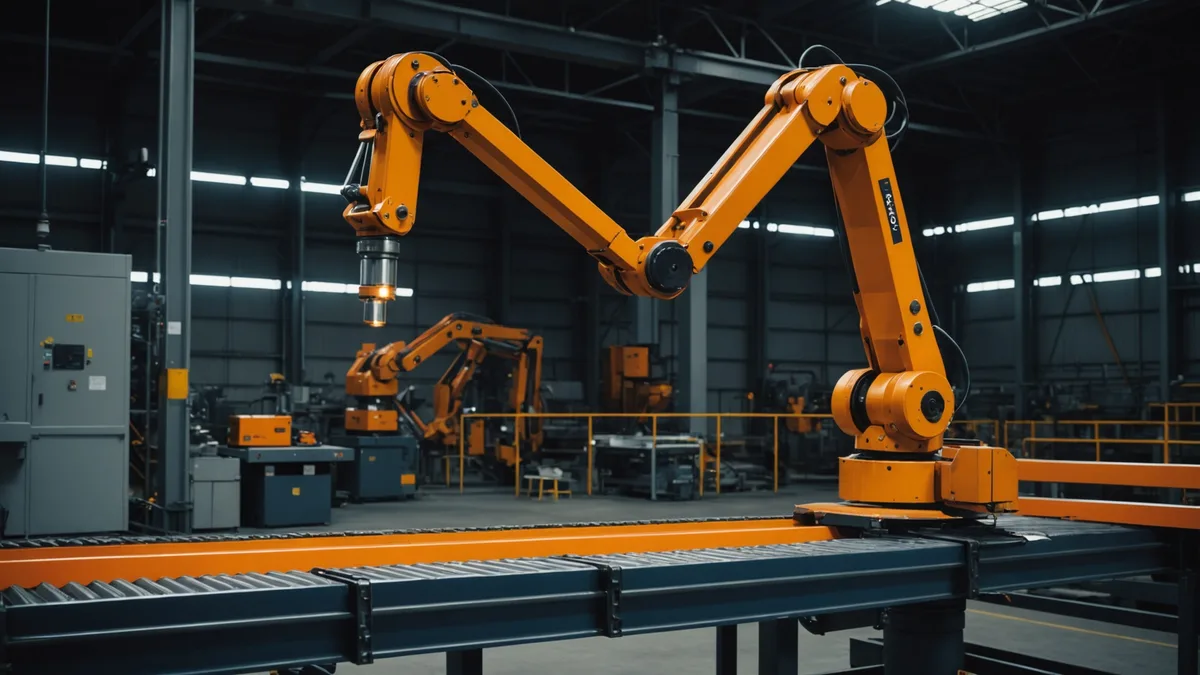
Why Robot Reprogramming Breaks Production Schedules
Most manufacturers treat robot reprogramming as a one-time expense. In practice, each new product variant or fixture change starts a setup loop that can take weeks of integrator time and floor downtime.
Read article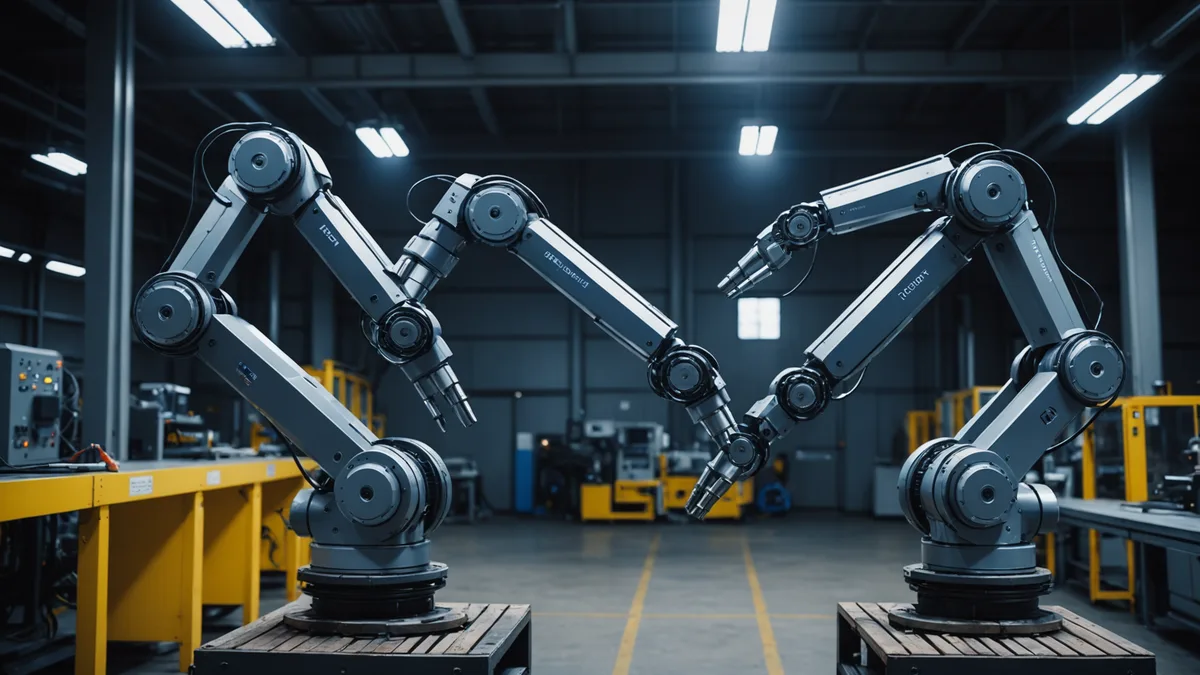
Embodied AI versus Traditional Robot Programming
Manufacturers have relied on scripted motion and teach-pendant programming for decades. Here is what changes when robots learn from physical demonstrations.
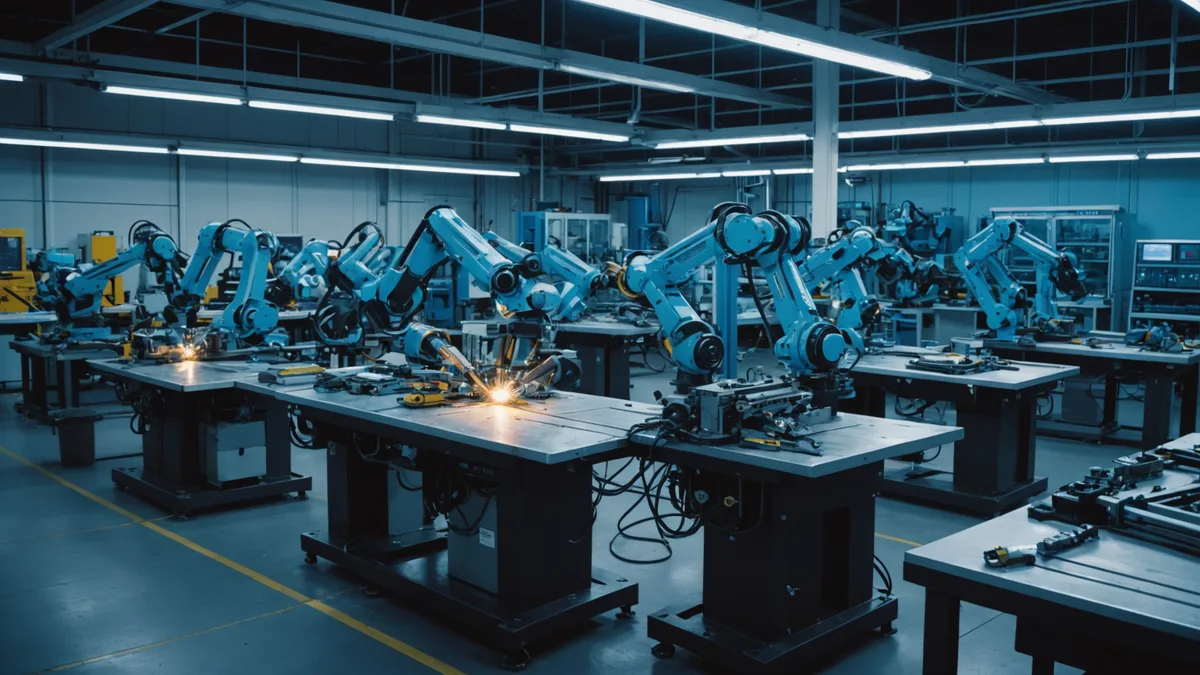
Flexible Manufacturing's Hidden Setup Time Variance Cost
Robot ROI models often omit setup time variance. With 20 or more SKU variants per quarter, changeover overhead can exceed the labor savings the robot was bought to deliver.
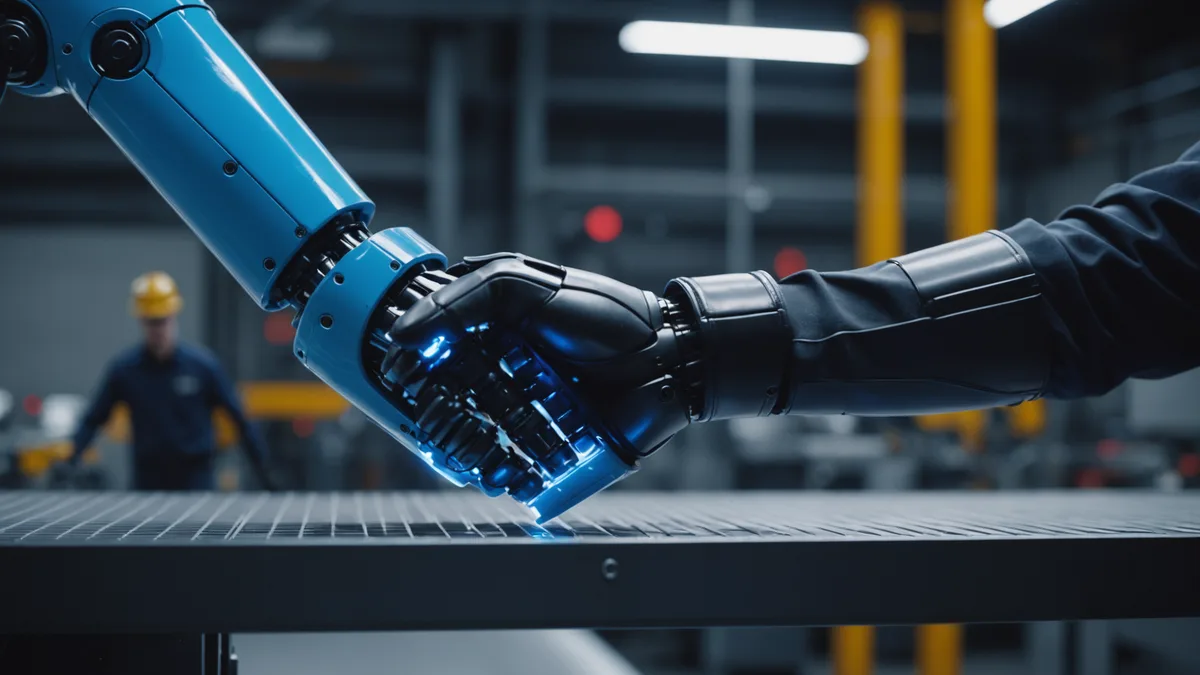
Demonstration Learning on the Factory Floor
A technician guides the robot arm through one task. Within minutes, a deployable motion policy is ready. This article follows signal capture, pose estimation, and policy training in noisy industrial environments.
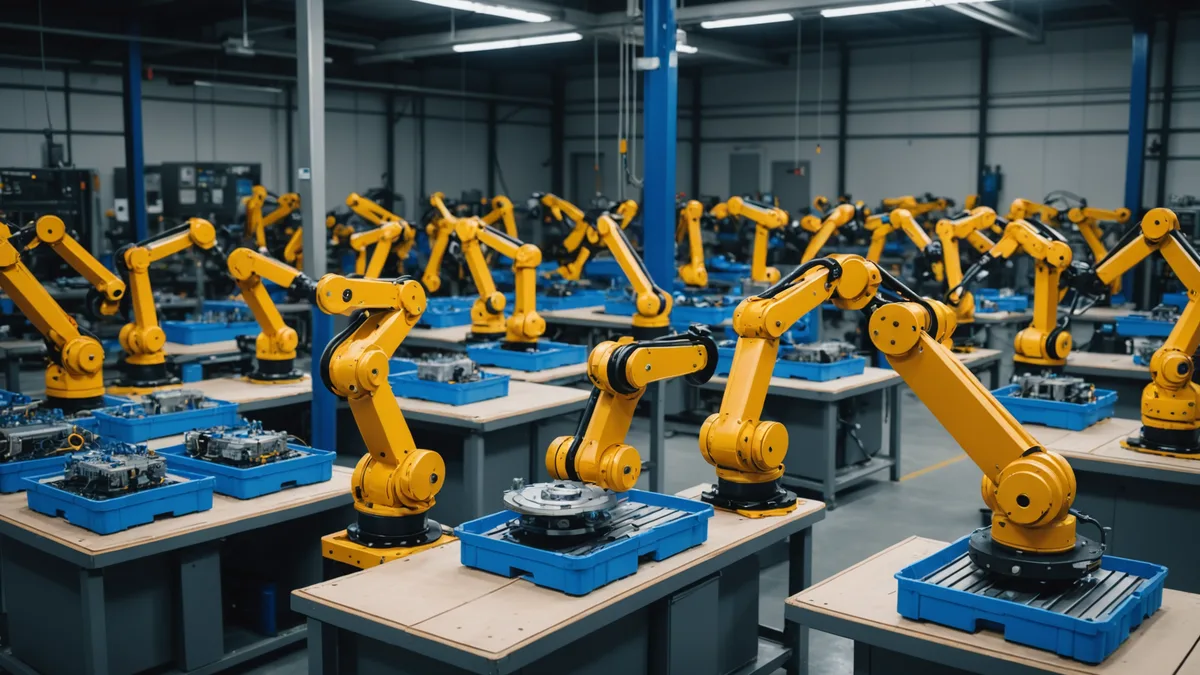
Variable Production Lines: Small Batch Manufacturing's New Reality
Robot cells once made economic sense for large orders. Now manufacturers may run a dozen part families on one line each month, changing the economics of robot deployment.
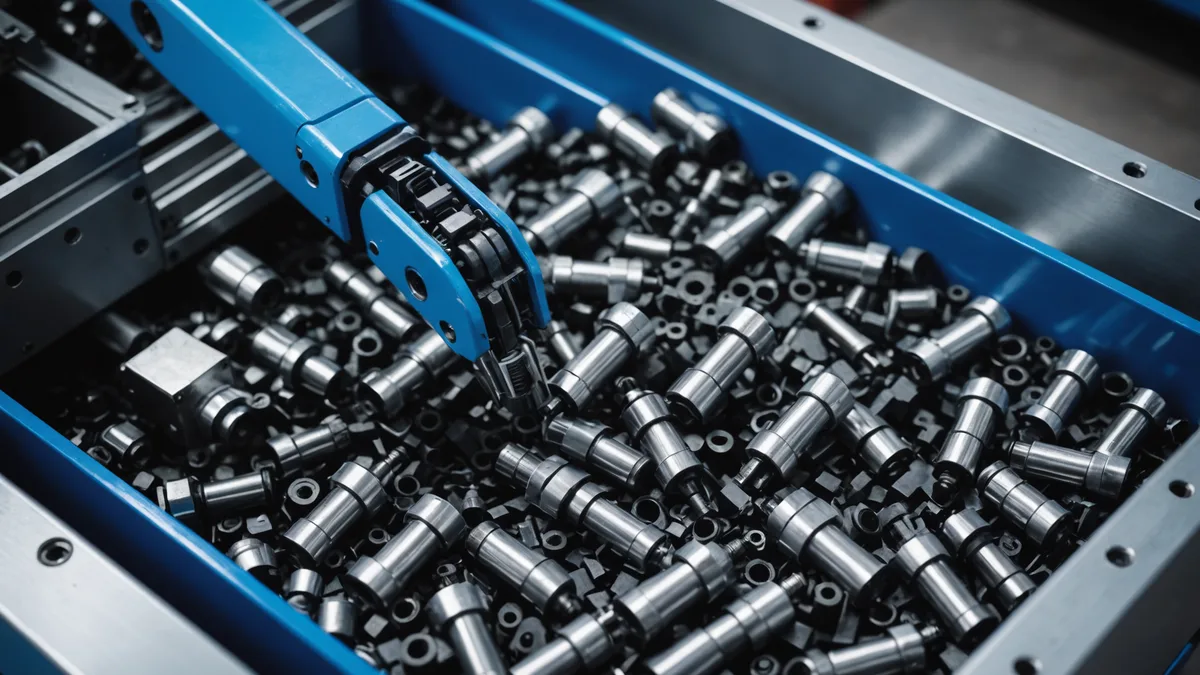
The Robot Generalization Challenge: Why Real-World Grasping Is Hard
A robot trained on one part orientation can fail when the bin is loaded differently. Handling part variation without retraining remains a core technical problem when deploying robots on real production floors.
Measuring Task Adaptation Speed in Industrial Robots
For variable production, time-to-first-run and time-to-steady-state offer more useful measures than peak throughput. Here is how to measure and compare them.
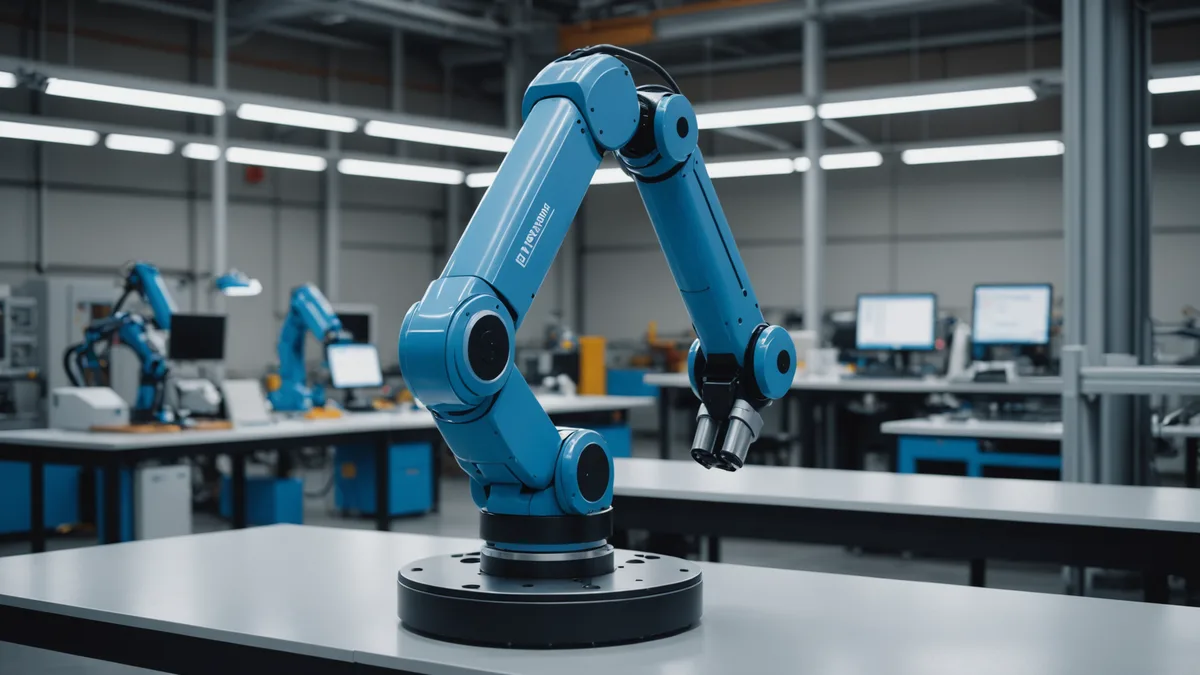
Cobot Integration Without Weeks of Programming
Collaborative robots were supposed to make deployment fast. In practice, cobot programming still requires certified integrators and days of configuration.
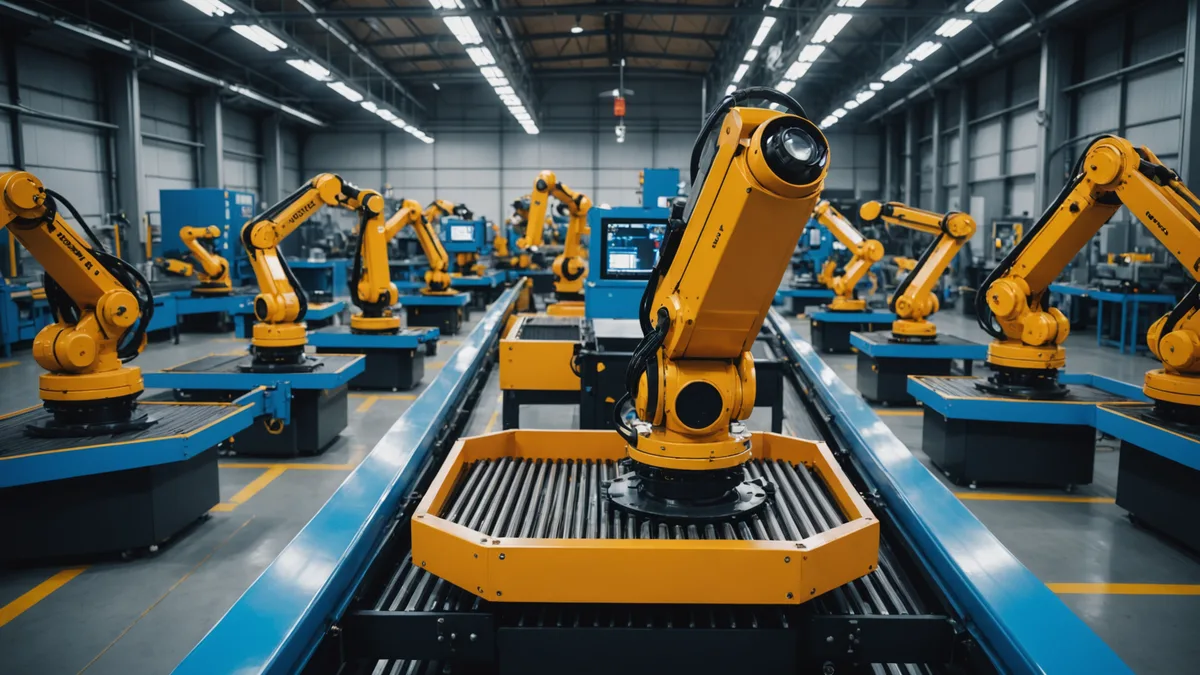
Manufacturing AI: What Works on the Production Floor
Predictive maintenance dashboards and quality inspection cameras receive most attention. Yet manufacturing's highest-value AI challenge remains teaching robots new tasks without weeks of setup.
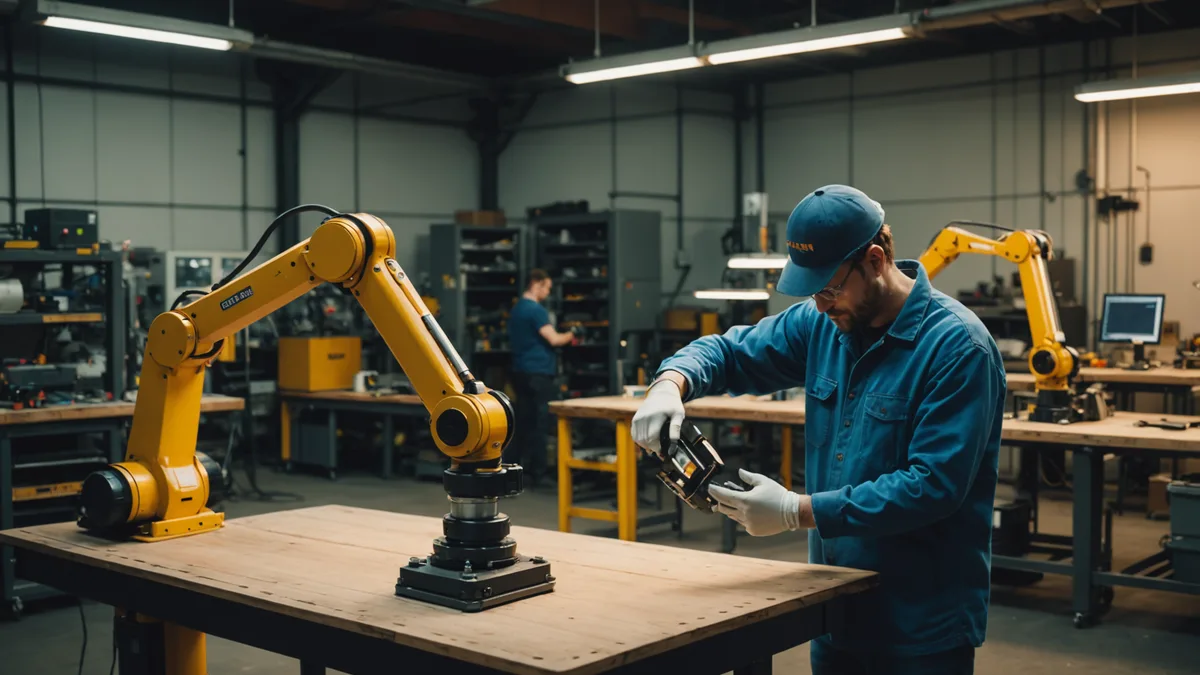
Human-Robot Collaboration: Teaching versus Programming
Teaching creates a workflow where the line worker who knows the task is also the person who configures the robot to do it. The difference is not just philosophical.
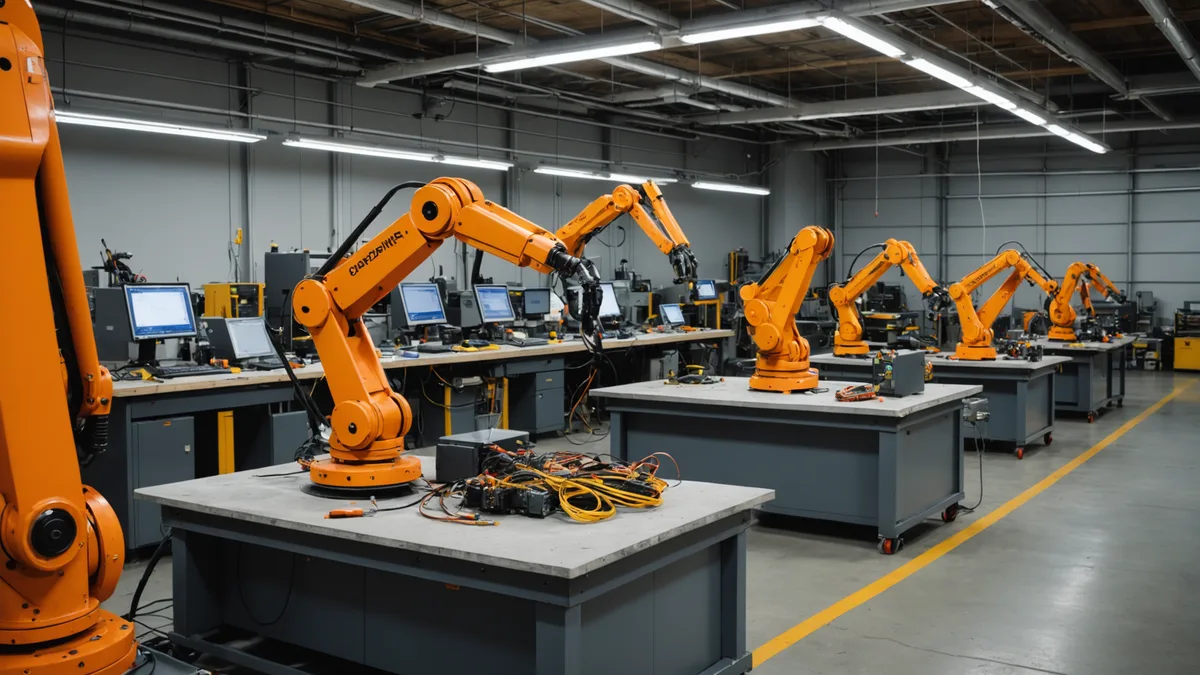
Industrial Robot ROI: Setup Cost Drives the Calculation
Robot ROI usually starts with labor and throughput gains, but often misses setup, reprogramming, and integrator costs. Including them can double the payback period.

Embodied Intelligence versus Task Scripting
Task scripts are deterministic and debuggable, which is why manufacturing has relied on them for decades. Embodied AI adds adaptability. The question is when each approach fits the problem.
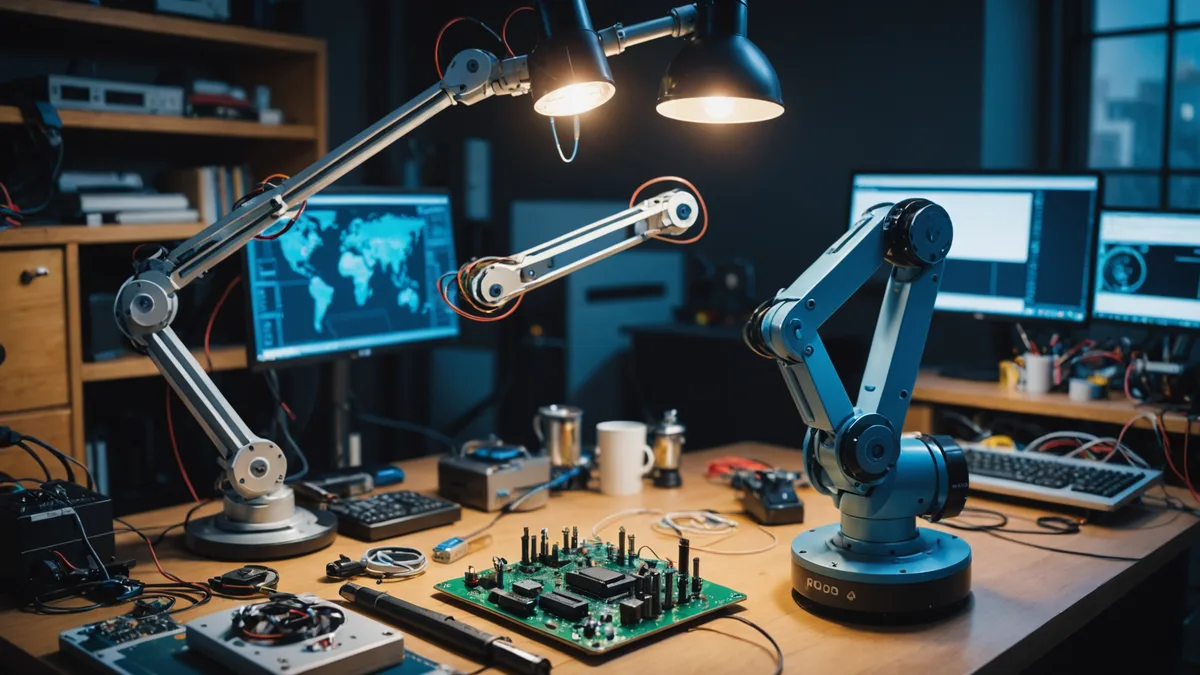
Starting Robai: Robot Learning from Demonstration
We kept seeing manufacturers lose weeks every time a robot moved to a new job. The problem was not the robot hardware. It was that every task change required specialists.